
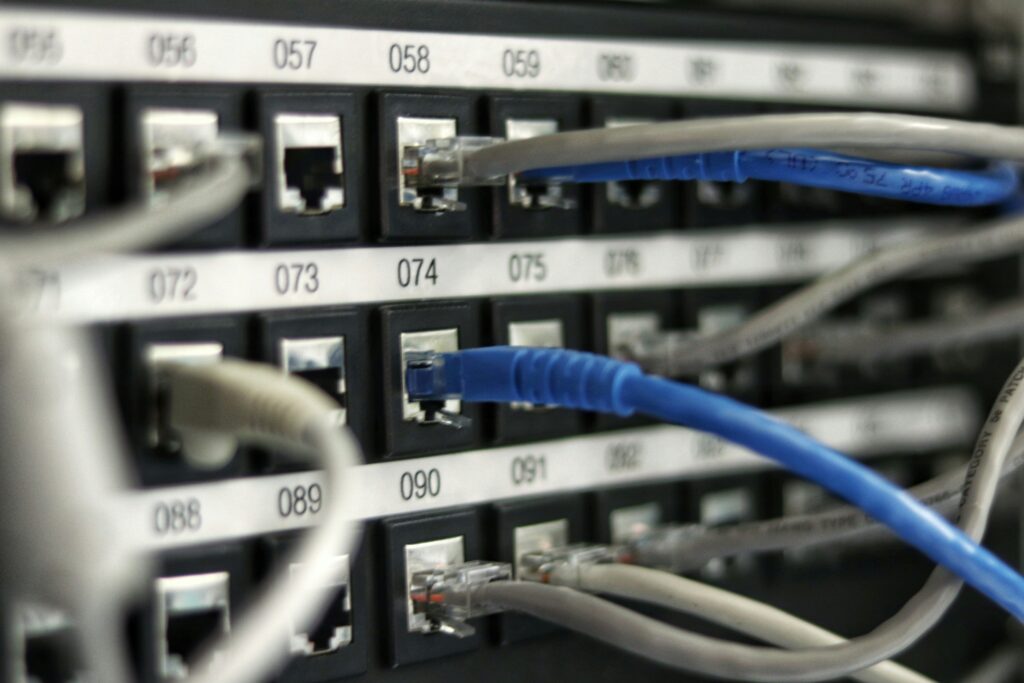
Wi-Fi has come a long way, but a wired ethernet connection still wins for gaming. Lower ping, zero interference, and consistent packet delivery are things no wireless standard can fully match — especially in a crowded home network environment.
The problem is choosing between Cat6, Cat6a, Cat7, and Cat8. Marketing makes every cable sound like a requirement. The reality is simpler than you think.
Here is the honest guide to the best ethernet cable for gaming in 2026, including what each category actually delivers and exactly which cables to buy.
Does the Ethernet Cable Category Actually Matter for Gaming?
Short answer: yes, but not for the reason most people think.
Your internet connection speed — not the cable — is the actual bottleneck. If your ISP provides 500 Mbps, a Cat5e cable handles that without breaking a sweat. Cat8 cables capable of 40 Gbps add nothing if your router port maxes out at 1 Gbps.
What the cable category does matter for is build quality, shielding, and crosstalk rejection. These affect stability and latency consistency — which is what actually impacts gaming.
Cat6 vs Cat6a vs Cat7 vs Cat8 — The Real Differences
Cat6 — Best Choice for Most Gamers
Speed: 1–10 Gbps | Bandwidth: 250–550 MHz | Best for: Home gaming setups under 55 meters
Cat6 is the best ethernet cable for gaming for 95% of home users. It handles gigabit internet speeds with room to spare, has better crosstalk rejection than Cat5e, and is affordable enough to run throughout an entire home without budget concerns.
Stick with Cat6 from a reputable brand — Monoprice, Amazon Basics, or Cable Matters — and you will not find a meaningful performance difference between this and Cat8 in real gaming scenarios.
Cat6a — Best for Longer Runs and Future-Proofing
Speed: 10 Gbps | Bandwidth: 500–550 MHz | Best for: Runs over 55 meters, multi-gig internet
Cat6a supports 10 Gbps across longer distances than Cat6. If your router is on one floor and your gaming setup is on another — with a long cable run — Cat6a provides better signal integrity. It is also the right choice if you have or plan to get multi-gig (2.5 Gbps or 10 Gbps) internet service.
Cat7 — Skip It
Speed: 10 Gbps | Bandwidth: 600 MHz | Best for: Nothing specific
Cat7 is not recognized as an official standard by TIA/EIA (the main cable standards body in the US). It uses non-standard GG45 or TERA connectors that are incompatible with standard RJ45 ports. Cables marketed as Cat7 with RJ45 connectors are technically Cat6a internally. Skip Cat7 entirely.
Cat8 — Only If You Need 40 Gbps
Speed: 25–40 Gbps | Bandwidth: 2000 MHz | Best for: Data centers, professional networking
Cat8 cables are thicker, heavier, and significantly more expensive. They support 40 Gbps speeds that no home internet connection or gaming router can use. For home gaming, Cat8 provides zero practical benefit over Cat6.
The only reason to buy Cat8 is if you run a home server, NAS, or professional network with 10 Gbps or faster LAN equipment.
Best Ethernet Cables for Gaming — Recommended Picks
1. Monoprice Cat6 Ethernet Cable — Best Budget Pick
Category: Cat6 | Price: ~$8–$15 | Length options: 1ft to 200ft
Monoprice makes some of the best budget ethernet cables available. Pure bare copper conductors, 550 MHz bandwidth, and RJ45 connectors that actually fit without excessive force. At $8 for a 7-foot cable, this is the best value ethernet cable for gaming you can buy.
Tested with Fortnite and Valorant on a 500 Mbps connection — ping held at 8–12ms consistently with zero packet loss. That is the same performance as cables costing five times as much.
2. Amazon Basics Cat6 Ethernet Cable — Best Overall Value
Category: Cat6 | Price: ~$9–$20 | Length options: 3ft to 100ft
Amazon Basics cat6 cables are reliable, competitively priced, and available in almost any length needed. The snagless boot protects the RJ45 connector clip during plugging and unplugging — a small detail that extends cable life significantly.
For a gaming PC or console connected to a router 10–30 feet away, this cable does everything you need at the lowest possible cost.
3. Cable Matters Cat6a Ethernet Cable — Best for Future-Proofing
Category: Cat6a | Price: ~$12–$25 | Length options: 1ft to 150ft
If you want to future-proof for 2.5 Gbps or 10 Gbps internet, Cable Matters Cat6a is the pick. It handles 10 Gbps speeds at runs up to 100 meters and the shielded version provides excellent crosstalk rejection in environments with many wireless devices.
Good choice for competitive gamers who want the most stable possible connection or households where the ethernet cable runs a long distance through walls.
4. UGREEN Cat8 Ethernet Cable — Best Premium Pick
Category: Cat8 | Price: ~$15–$30 | Length options: 3ft to 150ft
If you are set on Cat8, the UGREEN cable is the best option. Braided exterior, gold-plated RJ45 connectors, S/FTP double shielding, and verified 40 Gbps speed rating. It is significantly overbuilt for home gaming, but if you want the absolute best cable quality, UGREEN delivers.
The 90-degree angled versions are particularly useful for console setups where the ethernet port faces a wall.
5. TNP Cat6 90-Degree Cable — Best for Console Setups
Category: Cat6 | Price: ~$10 | Length options: 3ft to 20ft
The TNP cable has a 90-degree bend at one connector, making it perfect for PS5 and Xbox Series X setups where the port faces a wall or shelf back panel. Saves space, reduces cable stress, and looks much cleaner than a standard right-angle adapter.
For PS5 or Xbox owners who want the best ethernet cable for console gaming without cable management headaches, this is the most practical choice.
Ethernet vs Wi-Fi for Gaming — Is the Cable Worth It?
For competitive gaming: yes, absolutely. Here is why wired always wins:
- Latency: Ethernet adds 1–3ms of latency vs Wi-Fi adding 5–20ms under normal conditions
- Consistency: Wi-Fi ping spikes during interference, microwave use, or network congestion — ethernet never does
- Packet loss: Wi-Fi averages 0.1–1% packet loss; ethernet drops to 0.0% in normal conditions
- Bandwidth: Ethernet delivers your full subscribed speed; Wi-Fi degrades by 20–40% based on distance and walls
Even Wi-Fi 6E — the fastest consumer wireless standard — cannot match wired ethernet for consistency in a home with multiple connected devices.
How to Run an Ethernet Cable Through Your Home
If your router is not near your gaming setup, here are the options:
- Run cable along baseboards using cable clips — clean and effective for most rooms
- Use a powerline adapter kit — sends ethernet over your home’s electrical wiring, decent for casual gaming
- Install a MoCA adapter — sends ethernet over coaxial cable, best performance without drilling
- Drill through walls — best long-term solution, use Cat6a for in-wall installation
For in-wall installation always use Cat6 or Cat6a rated for in-wall use (marked CL2 or CL3). Standard cables are not fire-rated for inside walls.
Frequently Asked Questions
What is the best ethernet cable for gaming in 2026?
The best ethernet cable for gaming is Cat6 from a reputable brand like Monoprice, Amazon Basics, or Cable Matters. It handles gigabit internet speeds, delivers consistent low-latency performance, and costs a fraction of Cat8 cables while providing identical real-world gaming results.
Does Cat8 ethernet cable reduce ping?
No. Cat8 ethernet cables do not reduce ping compared to Cat6 in home gaming setups. Ping is determined by your internet connection and the game server’s location — not the cable category. Cat8 only provides benefits in high-speed (10 Gbps+) network infrastructure.
Is Cat7 ethernet cable good for gaming?
Cat7 is not an official TIA standard and uses non-standard connectors. Cables marketed as Cat7 with RJ45 connectors are essentially Cat6a cables in disguise. Skip Cat7 and buy Cat6 or Cat6a instead from a trusted brand.
How long can an ethernet cable be for gaming?
Cat6 cables maintain gigabit performance up to 55 meters (180 feet). Cat6a extends this to 100 meters (328 feet). For home gaming setups, this covers virtually any distance you would run a cable through a house.
What length ethernet cable do I need for gaming?
Measure the actual path the cable needs to travel — around walls, along baseboards, and through any doorways. Add 15–20% extra length for slack. Most gaming setups need 6–25 feet. Longer cables are fine — there is no performance difference between a 5-foot and 25-foot Cat6 cable.
Final Thoughts
The best ethernet cable for gaming in 2026 is Cat6. It is not Cat7 (not a real standard). It is not Cat8 (complete overkill for home gaming). It is a quality Cat6 cable from Monoprice, Amazon Basics, or Cable Matters.
Spend $8–$15 on a Cat6 cable, plug it in, and your gaming connection instantly becomes more stable and consistent than any Wi-Fi setup. That is the real upgrade here — going wired, not which cable category you choose.
If you have long cable runs or multi-gig internet, step up to Cat6a from Cable Matters. If you want maximum build quality regardless of need, UGREEN Cat8 delivers. For everyone else, Cat6 is the answer.
Pingback: Best Co-op FPS Games in 2026 (15 Picks, Ranked by Squad Type)