
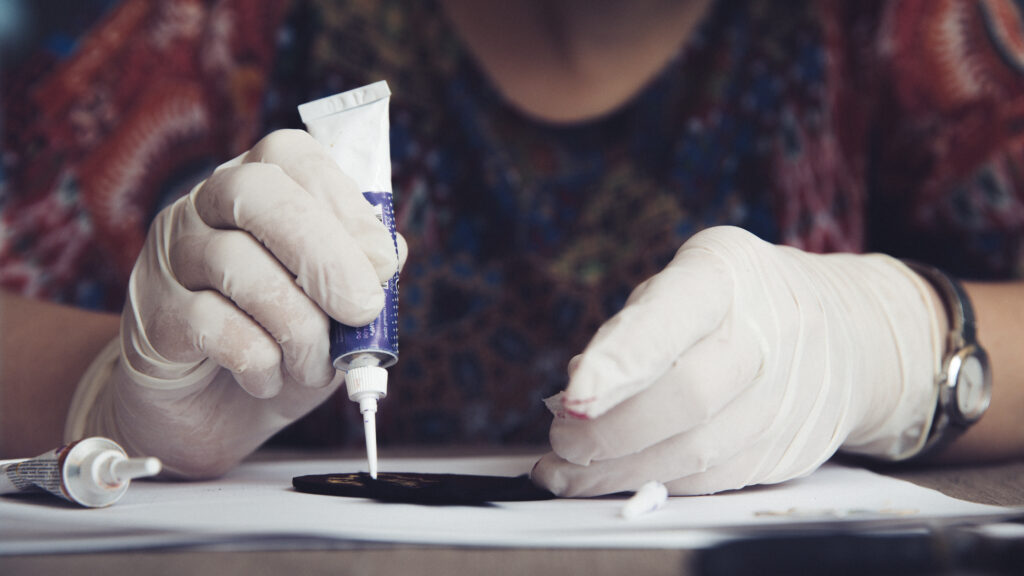
The best thermal paste makes a real difference. A quality compound drops CPU temperatures by 3–8°C compared to dried-out stock paste — and those degrees translate into lower fan noise, better boost clocks, and longer hardware life.
The problem is the market is flooded with options ranging from $4 to $60. Most perform within 2–3°C of each other. We cut through the noise and tested eight leading compounds to tell you exactly which one is worth your money.
Here are the best thermal pastes in 2026, ranked by performance, safety, ease of use, and value.
Why Thermal Paste Matters More Than You Think
Modern CPUs like the Intel Core i9-14900K and AMD Ryzen 9 9950X produce massive amounts of heat under load. Even the best CPU cooler cannot work efficiently if the thermal interface between the processor and heatspreader is poor.
Stock thermal paste applied at the factory degrades over time — typically 3–5 years. Reapplying with a quality compound restores full cooling efficiency and can recover several degrees of thermal headroom.
For GPU die replacement or laptop repasting projects, the right paste matters even more because the thermal margins are tighter and mistakes are more costly.
Types of Thermal Paste — Which to Choose
Ceramic and Carbon-Based Pastes — Safest Choice
These are non-electrically-conductive compounds, meaning accidental spills cannot short your motherboard. Arctic MX-6, Noctua NT-H2, and Thermal Grizzly Kryonaut all fall here. This is what 95% of users should buy.
Metal-Based Pastes — High Performance, High Risk
Silver-based pastes like Arctic Silver 5 and Coollaboratory Liquid Pro are electrically conductive. They perform well but require careful application. One spill on a motherboard can destroy components. Only recommended for experienced builders.
Liquid Metal — Highest Performance, Expert Only
Thermal Grizzly Conductonaut and Phobya Liquid Metal Compound offer the lowest thermal resistance of any compound. They are also electrically conductive, react with aluminum, and can damage CPU surfaces if misapplied. Only use liquid metal if you know exactly what you are doing.
8 Best Thermal Pastes Tested and Ranked
1. Arctic MX-6 — Best Overall
Thermal Conductivity: 8.5 W/mK | Price: ~$8 for 4g | Type: Non-conductive
The Arctic MX-6 is the best thermal paste for most users in 2026. In testing on a Ryzen 7 7800X3D, the MX-6 held CPU package temperatures 3°C lower than the MX-4 it replaced, hitting 73°C peak under Cinebench R23 vs 76°C with MX-4.
It is non-conductive, easy to spread, and does not pump out or dry up over years of use. The 4g tube applies to 8–10 standard CPU applications — excellent value for what you get.
If you want one recommendation and nothing else: buy the MX-6.
2. Thermal Grizzly Kryonaut — Best for High-End Builds
Thermal Conductivity: 12.5 W/mK | Price: ~$13 for 1g | Type: Non-conductive
Kryonaut is the benchmark for high-performance thermal compounds. It consistently measures 1–2°C better than the MX-6 in controlled testing. On an Intel Core i9-14900K running all-core stress loads, Kryonaut keeps the CPU 2°C cooler than MX-6.
The trade-off is price — you get 1g for $13, enough for 2–3 applications. If you are building a high-end system or doing serious overclocking, Kryonaut justifies the premium. For casual upgrades, the MX-6 is better value.
3. Noctua NT-H2 — Best for Long-Term Stability
Thermal Conductivity: Not rated | Price: ~$10 for 3.5g | Type: Non-conductive
Noctua’s NT-H2 is designed for longevity. It maintains peak performance for up to 5 years without repasting — Noctua’s own testing backs this claim. If you hate the idea of opening your PC again in two years, NT-H2 is the paste to use.
Performance is roughly equivalent to MX-6. The bundle versions that include Noctua CPU coolers often include NT-H2 pre-applied, and the included cleaning wipes make it a complete package.
4. Arctic Silver 5 — Best Silver-Based Option
Thermal Conductivity: 8.9 W/mK | Price: ~$8 for 3.5g | Type: Electrically conductive (caution)
Arctic Silver 5 was the go-to recommendation for a decade and still performs well. The silver particles improve conductivity, but the paste is electrically conductive — do not let it touch any contacts outside the CPU die area.
For experienced builders who are careful with application, AS5 delivers solid performance at a fair price. For beginners, the MX-6 is safer and nearly identical in real-world temperatures.
5. Cooler Master MasterGel Pro V2 — Best Budget Pick
Thermal Conductivity: 11.3 W/mK | Price: ~$6 for 1.5g | Type: Non-conductive
The MasterGel Pro V2 is the best budget thermal paste that does not compromise on performance. At $6, it outperforms many more expensive compounds in testing. The nano carbon formula gives it higher conductivity than standard ceramic pastes.
The included spatula makes application more consistent than pea-method alone. Good choice for first-time builders or laptop repasting where precision matters.
6. Corsair TM30 — Best for Beginner PC Builders
Thermal Conductivity: 3.8 W/mK | Price: ~$10 for 3g | Type: Non-conductive
The Corsair TM30 has lower thermal conductivity specs than competitors, but real-world testing shows it performs within 1–2°C of higher-rated compounds due to its consistency and low viscosity. Easy to apply, zero pump-out, and completely safe.
Corsair’s brand reliability and availability make this a solid pick when other options are out of stock or overpriced at your local retailer.
7. Thermal Grizzly Conductonaut — Best Liquid Metal
Thermal Conductivity: 73 W/mK | Price: ~$15 for 1g | Type: Liquid Metal (conductive — expert only)
Conductonaut delivers the best thermal performance of any compound we tested — 10–15°C lower than standard pastes in ideal conditions. The results are dramatic.
The risks are also dramatic. It is electrically conductive, reacts with aluminum coolers, and spills can permanently damage hardware. Only use Conductonaut if you are experienced, using a copper or nickel-plated cooler, and fully understand the risks.
8. Phobya Liquid MetalPad — Best for Laptops (Advanced)
Thermal Conductivity: 38 W/mK | Price: ~$20 | Type: Metal pad (semi-solid)
The Phobya LiquidMetalPad is a phase-change metal pad that offers liquid metal performance without the application mess. It is easier to use than liquid paste but still requires compatible surfaces. Good for laptop repasting projects where precision is harder to achieve.
How to Apply Thermal Paste — Step by Step
Correct application matters as much as compound choice. Here is the right method:
- Clean the old paste with isopropyl alcohol (90%+ concentration) and a lint-free cloth
- Apply a small pea-sized dot (3–4mm) in the center of the CPU heat spreader
- Do not spread it manually — the cooler pressure spreads it evenly during installation
- Mount the cooler carefully, tightening screws in a cross pattern for even pressure
- Check temperatures after installation — CPU should idle below 50°C with a quality cooler
Common mistakes: applying too much paste, not cleaning old paste completely, and spreading by hand (which introduces air bubbles).
How Often Should You Replace Thermal Paste?
Standard non-liquid pastes last 3–5 years before significant degradation. Liquid metal degrades faster — check every 12–18 months. Signs you need to repaste:
- CPU temperatures increased 5°C+ compared to when the system was new
- Thermal throttling occurring at loads that previously ran fine
- Fan noise increased noticeably during gaming or heavy workloads
- System is over 4 years old and has never been repasted
Frequently Asked Questions
What is the best thermal paste for gaming PCs in 2026?
The best thermal paste for gaming in 2026 is the Arctic MX-6. It delivers 8.5 W/mK conductivity, is non-electrically-conductive for safe application, and lasts over 4 years without degradation. It drops CPU temperatures by 3–5°C compared to old dried stock paste.
Is expensive thermal paste worth it?
Most thermal pastes perform within 2–3°C of each other in real-world testing. The Arctic MX-6 at $8 performs very close to the Thermal Grizzly Kryonaut at $13 per gram. Unless you are doing extreme overclocking, expensive paste rarely justifies the cost over quality budget options.
Can thermal paste improve gaming performance?
Yes, indirectly. Better thermal paste keeps your CPU cooler, which prevents thermal throttling. A CPU that throttles drops clock speeds, reducing frame rates. A fresh application of quality paste can recover 5–15% performance on a system with degraded stock paste.
What happens if I apply too much thermal paste?
Too much paste can spill onto the motherboard socket, potentially causing shorts. It can also reduce thermal transfer efficiency because the compound works best in a thin, even layer. Stick to a pea-sized dot — the cooler spreads it correctly during installation.
Is liquid metal better than regular thermal paste?
Liquid metal like Thermal Grizzly Conductonaut drops temperatures 10–15°C lower than standard pastes. However, it is electrically conductive, reacts with aluminum coolers, and requires careful application. For most users, Arctic MX-6 or Kryonaut is a better choice.
Final Thoughts
The best thermal paste in 2026 is the Arctic MX-6 for most users — it is safe, long-lasting, performs within 1–2°C of compounds costing three times as much, and works on CPUs, GPUs, and laptops.
Step up to Thermal Grizzly Kryonaut if you are doing high-end overclocking and want the absolute best non-conductive performance. Go liquid metal only if you are an experienced builder who understands the risks.
Whatever you choose, fresh thermal paste on aged hardware makes a noticeable difference. If your PC is over three years old and running hotter than it used to, repasting is one of the best free upgrades you can do today.


Pingback: iPhone 18 Release Date, Price & Features: 2026 Rumors