
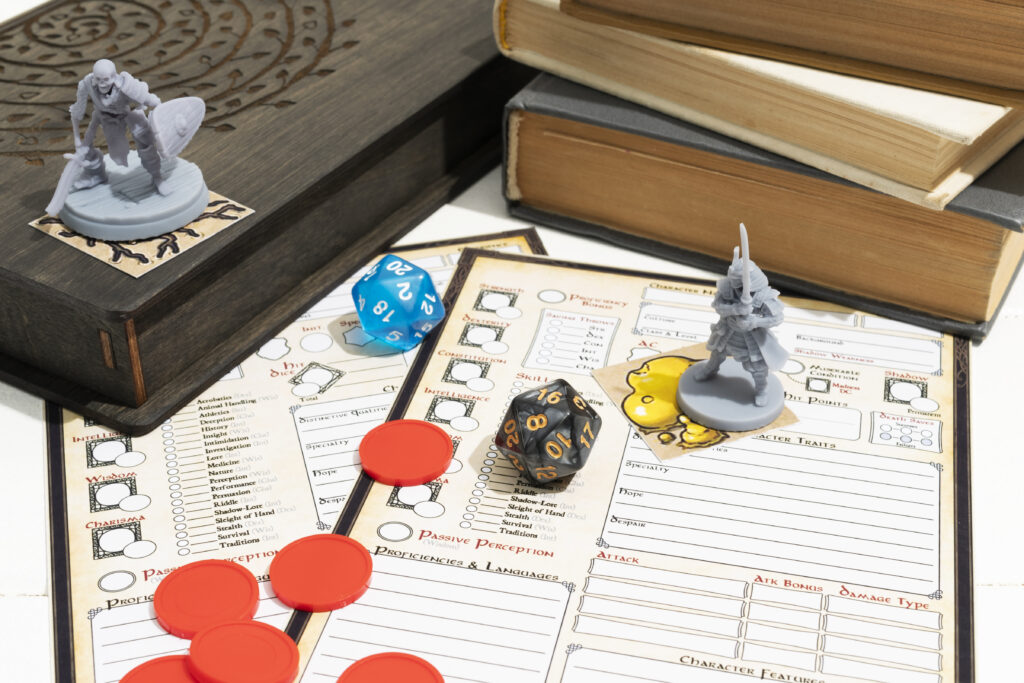
Choosing a class is the single most important decision when building a Dungeons and Dragons character — it shapes how a character fights, what abilities they have access to, and what role they play within a party. The 2024 Player’s Handbook (released September 2024) refreshed all twelve core classes and standardized them to four subclasses each, for a total of 48 subclasses to choose from. This guide walks through every class, every subclass, and what each brings to the table — useful for new players picking a first character or returning players getting familiar with the updated rules.
If you are looking to play a D&D-adjacent game digitally, see our guide to the best RPG games on PS4, PS5, and PS3 — covering the best CRPGs and action RPGs including Baldur’s Gate 3, which uses the D&D 5e ruleset directly.
Quick Reference: All 12 DnD Classes and Their Subclasses
| Class | Subclasses (2024 Player’s Handbook) |
| Barbarian | Path of the Berserker, Path of the Wild Heart, Path of the World Tree, Path of the Zealot |
| Bard | College of Dance, College of Glamour, College of Lore, College of Valor |
| Cleric | Life Domain, Light Domain, Trickery Domain, War Domain |
| Druid | Circle of the Land, Circle of the Moon, Circle of the Sea, Circle of the Stars |
| Fighter | Battle Master, Champion, Eldritch Knight, Psi Warrior |
| Monk | Warrior of Mercy, Warrior of Shadow, Warrior of the Elements, Warrior of the Open Hand |
| Paladin | Oath of Devotion, Oath of Glory, Oath of the Ancients, Oath of Vengeance |
| Ranger | Beast Master, Fey Wanderer, Gloom Stalker, Hunter |
| Rogue | Arcane Trickster, Assassin, Soulknife, Thief |
| Sorcerer | Aberrant Sorcery, Clockwork Sorcery, Draconic Sorcery, Wild Magic |
| Warlock | Archfey Patron, Celestial Patron, Fiend Patron, Great Old One Patron |
| Wizard | Abjurer, Diviner, Evoker, Illusionist |
The Three Class Categories
DnD classes group into three broad categories based on how they fight and use magic:
- Martial classes (Barbarian, Fighter, Monk, Rogue): Primarily skilled in physical combat, with some subclasses (Eldritch Knight, Arcane Trickster) gaining limited magical abilities
- Full spellcasters (Bard, Cleric, Druid, Sorcerer, Warlock, Wizard): Built around spellcasting as a core mechanic, with the largest and most flexible spell lists
- Half-casters (Paladin, Ranger): Combine martial combat with a more limited spell list, gaining spellcasting later and at a slower progression than full casters
DnD Class Overviews — All 12 Classes
Barbarian
Barbarians are durable melee fighters built around Rage — a core feature that boosts damage and provides resistance to physical damage during combat. High hit points and a d12 hit die make them the tankiest class in the game. The 2024 subclasses offer distinct flavors: Path of the Berserker focuses on raw offensive frenzy, Path of the Wild Heart draws on animal spirits, Path of the World Tree connects to primal nature magic, and Path of the Zealot ties the Barbarian’s fury to divine purpose.
- Best for: New players who want straightforward melee combat
- Subclass choice timing: Level 3
- Primary ability score: Strength
Bard
Bards are versatile full spellcasters who use musical and artistic performance to fuel their magic, often serving as a party’s social specialist alongside spellcasting support. Their spell list blends utility, crowd control, and healing. College of Lore emphasizes broad skill versatility, College of Valor leans into combat performance, College of Glamour focuses on charm and fey-touched magic, and College of Dance is new to 2024 rules — built around mobility and performance-based combat.
- Best for: Players who want flexibility and social roleplay
- Primary ability score: Charisma
Cleric
Clerics are divine spellcasters whose subclass — called a Domain — reflects the portfolio of the deity or divine source they serve. One of the most powerful and versatile classes in D&D — strong healing, excellent damage options, and heavy armor proficiency. Life Domain focuses on healing, Light Domain on radiant damage and illumination, War Domain on combat-enhancing divine magic, and Trickery Domain on deception and misdirection.
- Best for: Players who want a support-heavy spellcaster that can also deal damage
- Primary ability score: Wisdom
Druid
Druids draw on nature magic and the ability to transform into animal forms via Wild Shape. Circle of the Land grants bonus spells tied to terrain types, Circle of the Moon emphasizes powerful combat Wild Shape forms, Circle of the Sea is new to 2024 with aquatic and weather-based abilities, and Circle of the Stars draws on constellations for a more spellcasting-focused playstyle.
- Best for: Players who want magic combined with shapeshifting versatility
- Primary ability score: Wisdom
Fighter
Fighters are weapon and armor specialists with the most combat actions per round of any class at higher levels — a key advantage in sustained combat. Champion focuses on raw consistency through improved critical hits, Battle Master uses tactical maneuvers that add versatility to attacks, Eldritch Knight blends martial combat with wizard-style spellcasting, and Psi Warrior incorporates psionic mental abilities.
- Best for: New players who want consistent combat effectiveness
- Primary ability score: Strength or Dexterity
Monk
Monks combine martial arts with a resource (called Focus in 2024 rules) that fuels special techniques. Fast movement speed and unarmored defense make them highly mobile. Warrior of the Open Hand focuses on unarmed combat, Warrior of Shadow incorporates stealth and shadow abilities, Warrior of the Elements channels elemental forces, and Warrior of Mercy is new to 2024 — focused on manipulating life force to heal or harm.
- Best for: Players who want a fast, mobile melee character with Ki-based abilities
- Primary ability score: Dexterity and Wisdom
Paladin
Paladins are martial characters bound by a sacred Oath that grants divine abilities and spellcasting. One of the most powerful melee classes at mid-levels due to the combination of Smite damage, good armor, and a strong spell list. Oath of Devotion emphasizes heroic ideals and protection, Oath of the Ancients draws on primal and fey power, Oath of Vengeance focuses on punishing wrongdoers, and Oath of Glory (new to 2024) is themed around legendary achievement.
- Best for: Players who want a durable frontline fighter with healing and divine abilities
- Primary ability score: Strength and Charisma
Ranger
Rangers combine martial skill with nature-based magic and tracking abilities — the wilderness specialist of the party. Hunter focuses on combat techniques against specific enemy types, Beast Master fights alongside an animal companion, Gloom Stalker specializes in ambush and darkness, and Fey Wanderer incorporates fey magic and charm abilities.
- Best for: Players who want an archer or two-weapon fighter with nature magic
- Primary ability score: Dexterity and Wisdom
Rogue
Rogues are skill-focused characters built around Sneak Attack — bonus damage that rewards positioning and stealth. The most skill proficiencies of any class makes them excellent outside of combat. Thief grants extra utility through item interactions, Assassin specializes in eliminating enemies from stealth, Arcane Trickster blends rogue skills with wizard spellcasting, and Soulknife uses psionic abilities to create blades from mental energy.
- Best for: Players who want skill mastery and high burst damage from stealth
- Primary ability score: Dexterity
Sorcerer
Sorcerers are spellcasters whose magic comes from an innate source tied to their Sorcerous Origin. They have fewer spells known than Wizards but can use Metamagic to modify spells creatively. Draconic Sorcery draws power from dragon ancestry, Wild Magic introduces unpredictability, Aberrant Sorcery (new to 2024) ties magic to otherworldly mental influence, and Clockwork Sorcery (new to 2024) draws on cosmic order.
- Best for: Players who want flexible spellcasting with a strong thematic identity
- Primary ability score: Charisma
Warlock
Warlocks gain magic through a pact with a powerful entity — their Patron — which shapes abilities and roleplay. Unlike other spellcasters, Warlocks regain spell slots on a short rest and have a limited but highly flexible spell approach called Eldritch Invocations. Fiend Patron draws on infernal power, Archfey Patron connects to fey realms, Great Old One Patron ties into cosmic horror, and Celestial Patron channels radiant healing power.
- Best for: Players who want a spellcaster with a rich roleplay hook and unique mechanics
- Primary ability score: Charisma
Wizard
Wizards are the most versatile spellcasters in D&D — the widest spell list in the game and the ability to learn new spells from scrolls and other wizards’ spellbooks. Subclasses are Schools of Magic. Evoker specializes in damage-dealing spells, Abjurer focuses on protective and defensive magic, Diviner emphasizes information-gathering and luck manipulation, and Illusionist specializes in deception-based magic.
- Best for: Players who want maximum spell versatility — and are comfortable managing a complex spell list
- Primary ability score: Intelligence
New Subclasses in the 2024 Player’s Handbook
| Class | New 2024 Subclass | What Is New About It |
| Bard | College of Dance | Mobility-based combat, performance-fueled techniques |
| Druid | Circle of the Sea | Aquatic and weather-based abilities, new elemental focus |
| Monk | Warrior of Mercy | Life force manipulation — healing and harming |
| Paladin | Oath of Glory | Legendary achievement theme, performance and presence |
| Sorcerer | Aberrant Sorcery | Otherworldly mental influence, Far Realm connections |
| Sorcerer | Clockwork Sorcery | Cosmic order, clockwork-themed mechanical magic |
What Changed From the 2014 Rules
The 2024 Player’s Handbook is a significant revision rather than a new edition — Wizards of the Coast calls it a compatible update to the 2014 rules rather than D&D 6e. Key changes affecting classes and subclasses:
- Standardized subclass count: Every class now has exactly 4 subclasses, replacing the inconsistent numbers from years of supplemental sourcebooks
- Subclass timing: Most classes still choose subclasses at level 3, but some subclass benefits arrive earlier in the 2024 rules
- Ki renamed to Focus: The Monk’s resource is now called Focus in the 2024 rules — functionally identical, different name
- 2014 subclass compatibility: Updated subclasses from the 2024 PHB are not cross-compatible with their 2014 versions. Subclasses that were not updated remain usable alongside 2024 classes
- Species replaces Race: The terminology changed — characters are now described by Species rather than Race
The Artificer: The 13th Class
Players researching D&D classes will often encounter the Artificer — a class focused on crafting and enhancing magic items, originally published in a separate sourcebook. As of the 2024 Player’s Handbook, the Artificer has not yet been updated to the new ruleset but remains compatible for play alongside 2024 characters using its existing rules. Its four subclasses (Alchemist, Armorer, Artillerist, Battle Smith) cover different approaches to the inventor-mage archetype.
Choosing a Class: Four Questions to Ask
- Do you want to cast spells? If no — Barbarian, Fighter, Monk, or Rogue. If yes — choose between full casters (Bard, Cleric, Druid, Sorcerer, Warlock, Wizard) or half-casters (Paladin, Ranger)
- Do you want to be in melee or ranged combat? Melee — Barbarian, Fighter, Monk, Paladin. Ranged — Ranger, Rogue (can go either), Wizard, Sorcerer, Warlock
- How much complexity do you want? New player: Fighter, Barbarian, or Cleric are the most accessible. Experienced player: Wizard, Druid, and Sorcerer offer the most mechanical depth
- What is your party missing? D&D parties benefit from a healer (Cleric, Druid, Paladin), a tank (Barbarian, Paladin, Fighter), damage dealers, and a utility/skill specialist (Rogue, Bard)
For digital D&D — Baldur’s Gate 3 on Switch 2 is also confirmed. See our guide to the best Nintendo Switch games 2026 which covers Baldur’s Gate 3 alongside the best CRPGs on PlayStation.
For the official 2024 Player’s Handbook class details and digital tools, see D&D Beyond — official character builder and ruleset. For the official Wizards of the Coast D&D site with rules and resources, see Dungeons & Dragons official website.
Bottom Line
| Total core classes | 12 (plus Artificer as unofficial 13th) |
| Total subclasses | 48 (4 per class) |
| Subclass choice timing | Level 3 for most classes |
| Best for new players | Fighter, Barbarian, Cleric |
| Most complex | Wizard, Druid, Sorcerer |
| New 2024 subclasses | College of Dance, Circle of the Sea, Warrior of Mercy, Oath of Glory, Aberrant Sorcery, Clockwork Sorcery |
| Digital play tool | D&D Beyond (dndbeyond.com) — official character builder |
Frequently Asked Questions
How many DnD classes and subclasses are there?
The 2024 Player’s Handbook includes 12 core classes, each with 4 subclasses — 48 subclasses in total. The Artificer (from a separate sourcebook) is often considered an unofficial 13th class with 4 additional subclasses. Older sourcebooks add hundreds more subclasses, though many have not yet been updated for the 2024 rules.
What is the difference between a class and a subclass in DnD?
A class determines a character’s core abilities, role, and how they progress through levels — Fighter, Wizard, Rogue, and so on. A subclass is a specialization chosen at level 3 (for most classes) that adds a specific theme and additional abilities on top of the base class. For example, a Fighter who chooses the Eldritch Knight subclass gains spellcasting in addition to standard Fighter combat abilities.
What is the best class for a new DnD player?
Fighter and Barbarian are most commonly recommended for new players — straightforward combat, fewer resources to track, and effective without complex optimization. Cleric is recommended for new players who want to try spellcasting — its spell list is more manageable than Wizard or Sorcerer, and healing provides consistent value in any party.
Are 2014 subclasses compatible with the 2024 Player’s Handbook?
Subclasses that were updated in the 2024 Player’s Handbook are not cross-compatible with their 2014 versions — you use one or the other. Subclasses that have not yet been updated for 2024 can still be used alongside 2024 class rules, as Wizards of the Coast has confirmed backward compatibility for non-revised content.
What are the new subclasses in the 2024 DnD Player’s Handbook?
Six subclasses are new to the 2024 edition: College of Dance (Bard), Circle of the Sea (Druid), Warrior of Mercy (Monk), Oath of Glory (Paladin), Aberrant Sorcery (Sorcerer), and Clockwork Sorcery (Sorcerer). All other subclasses in the 2024 PHB are revised versions of existing 2014 subclasses.